Traditional Funeral Flower Arrangements with a Personal Touch
When it comes to honoring a loved one who has passed away, traditional funeral flower arrangements play a significant role in expressing grief, love, and remembrance. Flowers have been used for centuries to convey emotions and sentiments, and their presence at funerals adds a layer of beauty and comfort during a difficult time. However, incorporating a personal touch into these arrangements can transform them from standard tributes into heartfelt expressions of love and remembrance. In this blog post, we will explore various traditional funeral flower arrangements and how to personalize them to make them truly special.
Understanding Traditional Funeral Flower Arrangements
The Significance of Flowers in Funerals
Flowers have long been associated with funerals, symbolizing the cycle of life and the beauty of nature. Each type of flower carries its own meaning, allowing mourners to convey specific emotions. For instance:
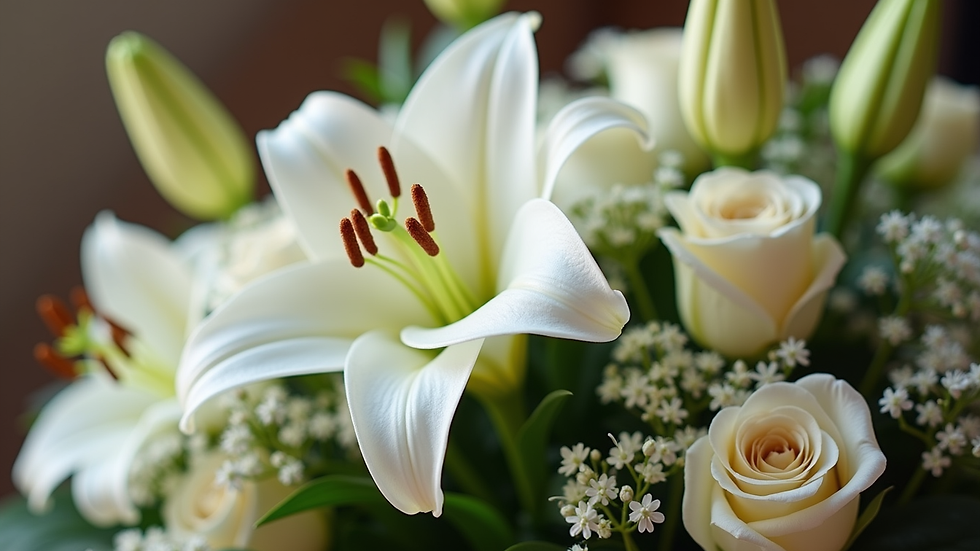
Lilies: Often symbolize purity and the restored innocence of the soul.
Roses: Represent love and respect, with different colors conveying different sentiments.
Chrysanthemums: In many cultures, these flowers symbolize death and are often used in funeral arrangements.
Understanding the meanings behind these flowers can help you choose the right ones for your arrangements.
Common Types of Funeral Flower Arrangements
Casket Sprays: These are large arrangements placed on top of the casket. They often include a mix of flowers that the deceased loved during their lifetime.
Standing Sprays: These are upright arrangements displayed on an easel. They can be personalized with specific flowers or colors that reflect the personality of the deceased.
Bouquets: Smaller arrangements can be placed around the service area or given to family members. These can be customized to include the deceased's favorite flowers.
Wreaths: Circular arrangements symbolize eternal life. They can be made from a variety of flowers and are often displayed at the entrance of the service.
Floral Crosses: These arrangements are shaped like a cross and are often used in religious ceremonies. They can be adorned with flowers that hold special significance to the deceased or their family.
Personalizing Funeral Flower Arrangements
Incorporating Favorite Flowers
One of the simplest ways to add a personal touch to funeral flower arrangements is by including the deceased's favorite flowers. If they had a particular flower that brought them joy, such as sunflowers or daisies, consider incorporating these into the arrangements. This not only honors their memory but also brings a sense of comfort to those grieving.
Using Meaningful Colors
Colors can evoke emotions and memories. For example, if the deceased had a favorite color, using that color in the arrangements can create a more personal tribute. Here are some color meanings to consider:
Red: Love and respect
White: Purity and peace
Yellow: Friendship and joy
Purple: Honor and dignity
Adding Personal Items
Consider including personal items in the arrangements. This could be a small photograph of the deceased, a favorite book, or even a piece of jewelry. These items can be placed alongside the flowers to create a more intimate and personalized tribute.
Creating Themed Arrangements
If the deceased had a passion or hobby, consider creating a themed arrangement that reflects this. For example, if they loved gardening, you could include potted plants or herbs in the arrangements. If they were a fan of a particular sports team, you could incorporate the team colors or symbols into the floral designs.
Practical Tips for Choosing Funeral Flowers
Consult with Family Members
Before making any decisions, consult with family members to gather their thoughts and preferences. This ensures that the arrangements reflect the collective memory of the deceased and honors their wishes.
Work with a Florist
A professional florist can provide valuable insights and suggestions for creating personalized arrangements. They can help you select flowers that are in season, ensuring the arrangements are fresh and vibrant. Additionally, they can assist in creating custom designs that reflect the personality of the deceased.
Consider the Venue
When choosing flower arrangements, consider the venue where the service will take place. Some locations may have restrictions on the size or type of arrangements allowed. Ensure that your choices align with the venue's guidelines.
Plan Ahead
Funeral arrangements can be time-sensitive, so it's essential to plan ahead. Reach out to florists early to discuss your ideas and ensure that they can accommodate your requests. This will help alleviate stress during an already challenging time.
Conclusion
Traditional funeral flower arrangements serve as a beautiful way to honor and remember loved ones. By incorporating personal touches, such as favorite flowers, meaningful colors, and personal items, you can create arrangements that truly reflect the essence of the deceased. Remember to consult with family members and work with a florist to ensure that your choices are thoughtful and appropriate. Ultimately, the goal is to create a tribute that brings comfort and solace to those grieving while celebrating the life of the one who has passed.
As you navigate this difficult time, consider how you can make funeral flower arrangements a meaningful expression of love and remembrance. Whether through personal touches or thoughtful choices, your efforts will undoubtedly provide comfort to those who gather to celebrate a life well-lived.
Comments